Pages

Showing posts with label change. Show all posts

Tuesday, 29 January 2019

Ohaeawai School TOD - Maths PD

Image result for maths

It was great to work with Dianne Ogle again.  She will be working with us for the next few years on helping us to re-define our maths practices, especially with the use of Mixed ability grouping and establishing a program to reflect current research around enhancing achievement in Mathematics (especially with our minority groups).  Lots of challenges lie ahead.  Looking forward to our next session with her, and having her both teach in our classrooms, and observe us in our classes.

Key take aways:

  • Working in groups of 3
  • 1 task that suits all
  • Discussion and group work is key
  • Clarifying and Extending thinking
Key Challenge between now and her next visit.
  • Get children use to the idea of working together, and set clear expectations on what this should look like, feel like, and sound like.
  • GETTING OUR HEAD AROUND A NEW STYLE OF PLANNING!
Image result for bring it on

Monday, 27 August 2018

Blogging to Accelerate Writing

Here is another strategy I am trialing for the remainder of this term.  This came about as a result of a combination of things.  Firstly we recently had maths week, and as something different we posted each days questions on the blog so students could access them at home (we had a teacher strike day on that week) and email them directly to me.  This worked fantastic and really excited the children in Team Maunga.  On the Friday I had also planned to be our doing more research and work on my MIT inquiry.  Part of this day I spent talking to children in the class.  One of the questions I was particularly interest in finding out about was "What could I (and the other teachers in Team Maunga) do to help YOU WANT to write?"  Interesting some of the children started by just telling us that the things we normally do in class.  But when pushed to think about things we don't already do there were a few stand out ideas that became discussion points for groups of children being questioned.

Some of their ideas included:  Having more time to write, having their own blog that they could write about anything on, and also writing challenges (similar to our maths challenges).  So ... Last week be began our first writing challenge (based on a topic/idea that they already had covered in class).  This was hugely successful with children enjoying being able to work on this both in school and at home.  Team Maunga all I can say ... IS YOU ROCK MY WORLD.

Here is both last weeks challenge and this weeks one.  Feel free to visit our class blog and comment on it with your own response!

Tuesday, 21 August 2018

KPMG - Day 3

Today was our third KPMG day in Auckland.  No agenda was shared with us so we were all a little excited (and nervous) as to what was in store for us.


When we arrived we were greeted with the fresh smell of coffee (and tea) and we set ourselves up for the challenges we knew were ahead of us.  


Today’s session had been devoted to listening to each MIT participant shared the progress you have made within their inquiry and also with the tool that each were making.  Following this we were asked if we would like to cross blog our feedback - Of course we said YES what a great idea.


So we then used a random name selector to determine whose tool/inquiry we would comment on.  I was very lucky to draw Danni and interestingly she got me as well.


Danni’s inquiry started off focusing on literacy learning in years 7 & 8 and how that school and cluster data was showing that the rate of learning in many senses was stalling or dropping.  Her inquiring focused totally on what she could do to prevent this in her classroom.


Today Danni started out by sharing her site - a resource bank of texts she has created and used in her classroom.  This was broken into different pages relating to Text Analysis exemplars, Writing Techniques and Connecting Reading and Writing.


This provided us with rich examples and questions based around different genre/examples.  This looked like a fantastic tool at a glance. When we delved deeper it appeared to be even more of a rich tool.  


One of the challenges that Danni had been having is finding/accessing examples of text that will support this resource, some suggestions were made as to who could help including
Aaron Wilson


During the morning we had discussed her inquiry informally and part of this discussion highlighted how many of her shifts in student achievement was related to her high expectations of her children both in what they will achieve and also in the contexts in which she teaches these through.   We talked with Danni about adding a page on high expectation.


As discussion wound up we also discussed possibility adding in how you might use these resources Multimodally (showing links to resources and sites that she and others used..  An interesting point was also raised about ESOL strategies being something to consider within her resource.

Reflections on my own inquiry were huge.  I will cross share Danni’s reflection here and then add to it my own thoughts.


Thoughts going away from KPMG today…

Learning together is empowering - and connecting with those outside of our normal realm of teaching extends our thinking.   As Zac put it “team work is dream work”.

Wednesday, 11 July 2018

Keynote Speaker - Day 2 EdTech Team - Sydney Summit

My take on Keynote speaker - Lindsay Wesner- Once upon a time


In order for our students to feel OK with failing, we need to show our students how we
ourselves fail. We need to do this by normalising it as part of what we call innovation, and
also by doing it on a regular basis so they see that it is just apart of everyone's learning
journey.

In order to do this well we need to ...


BE BRAVE - even if your not … Be the goldfish with the shark fin on!


By doing this we force ourselves to go outside our comfort zone.  When we do go outside our
comfort zone we go to where the magic in education happens.  Not just for ourselves but also
for our students and their whanau.


Lindsay also talked about the intersection of education, technology and passion, and how in
the middle is the sweet spot - and how its where things become more personal as well.  This
also links into Jesse’s Keynote about finding the superhero in our students and that to do
this we need to find the passion and ignite/foster this passion.


What is INNOVATION - and what does it mean.

  • Innovation is things that are not necessarily new, but that unlock new value - e.g. what is the new value, what is the point of it. This links to David Andersons “parrot of purpose” and also John Hatties “Know thy impact” type ideas.
  • Change is hard - it creates conflict, and challenges our thinking/standard practice. Some change works some does not. For me it's knowing which changes to persevere with and which ones are not.   This comes back to the they key idea above of knowing your impact or the impact (or possible impact) this change will make.
  • As a teacher we are or have been at a point of conflict for others in their educational journey- if we navigate the conflict we determine what the conclusion/climax are.  This relates both to ourselves, other educational professionals and also to our students.
  • When we challenge students but support them to navigate these challenges their learning and experiences propel them forwards.  


A key point for me in this process is capturing these moments and experiences and ensuring that these are shared. I am fantastic at capturing pictures of children succeeding but not so good at capturing them struggling.  A NEW GOAL.


This leads onto 2 questions Lindsays' challenges us with;

  • Students are wanting to digitally document - tell their story. - How do we harness this?
  • What would the world look like if we gave our students the opportunities to tell their stories?


The next ideas she shared challenge us personally as educational professionals;

  • If you look at how many pictures you take in a day - how many do you share?
  • When you scroll through social media threads you can’t see the difference between ours and people in other professionals.
  • What is the picture that others have of education/teaching? The stories we tell as educators will shape the perception that others have of education.
  • We all share the good stuff - not the nitty gritty bits that actually make up life. - We have an awesome story to tell.
  • Tell the stories of students getting hooked, stories of students engaging with the changing world, stories of their light-bulb moments, stories of their challenges/struggles/successes.
  • Use buzz words like - unpack, stem, future focused, growth mindset, coding, computational thinking


It's about finding the things that our students want to solve. - if we do that then we will have good stories to tell, and so will our students.

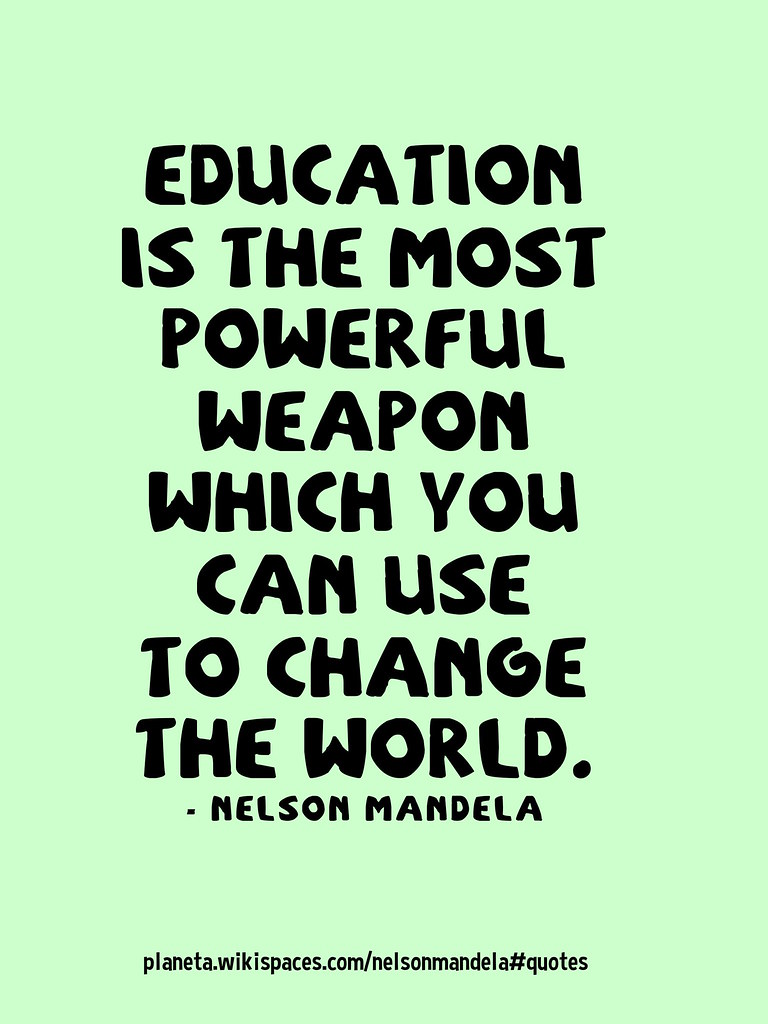
We have the power to create change within our classrooms, within our communities and within the wider world.

“Yes BUTTTTT…”

These types of comments are the enemies of our stories …


Lindsay then discussed …  

The Enemies

Time
  • you develop way to get time back
  • students can do lots
  • when you invest time you create that development/progress  
I can make time
Curriculum
  • Our responsibility is not to cover the curriculum but to engage students within curriculum  
The curriculum needs to be the catalyst
Fear
  • Reminder of shark fin
  • When you feel like you can’t... strap on the shark fin and pretend you can.
Change is hard and messy.

Our Weapons

Vision
Develop the vision of what we want it to be like
Community  
We have each other


Never doubt that a small group of people can change the world.
Our stories
Never underestimate the power of our stories and the stories of our students.

We have the power to make education in any country GREAT.  To make it bigger than the landmarks that are iconic for different countries and nations.  

But…

It is about sharing our stories.

It is up to us to do this.

So … MY CHALLENGE/TAKEAWAY

Share more, share the hard bits, share the successes - making sure to show that challenges that have been encountered along the way.

Tuesday, 10 July 2018

Sydney Opening Keynote Speaker

Capes not required


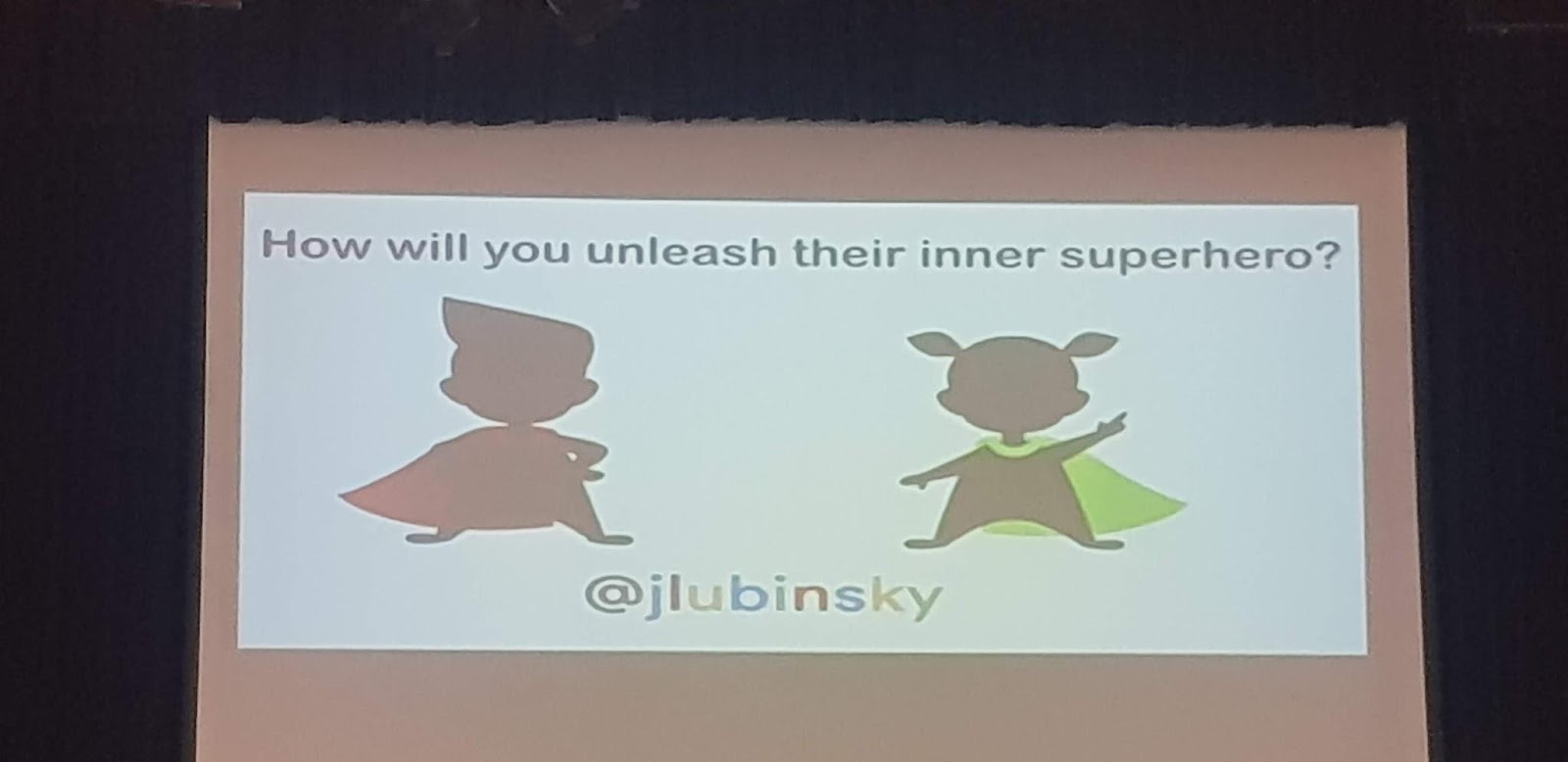
The kids in our classrooms are superheros in disguise.
Flight or invisibility - which one would you choose?
Our role is to bring out the superhero in our students. 


What are the characteristics?

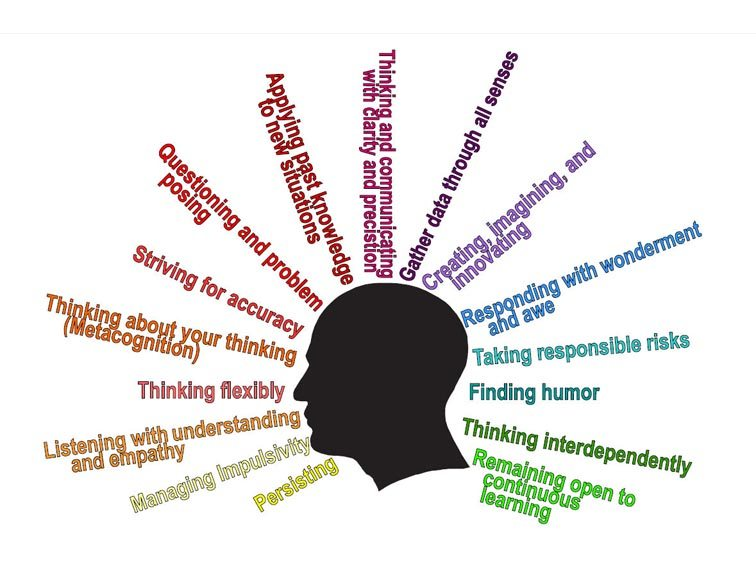
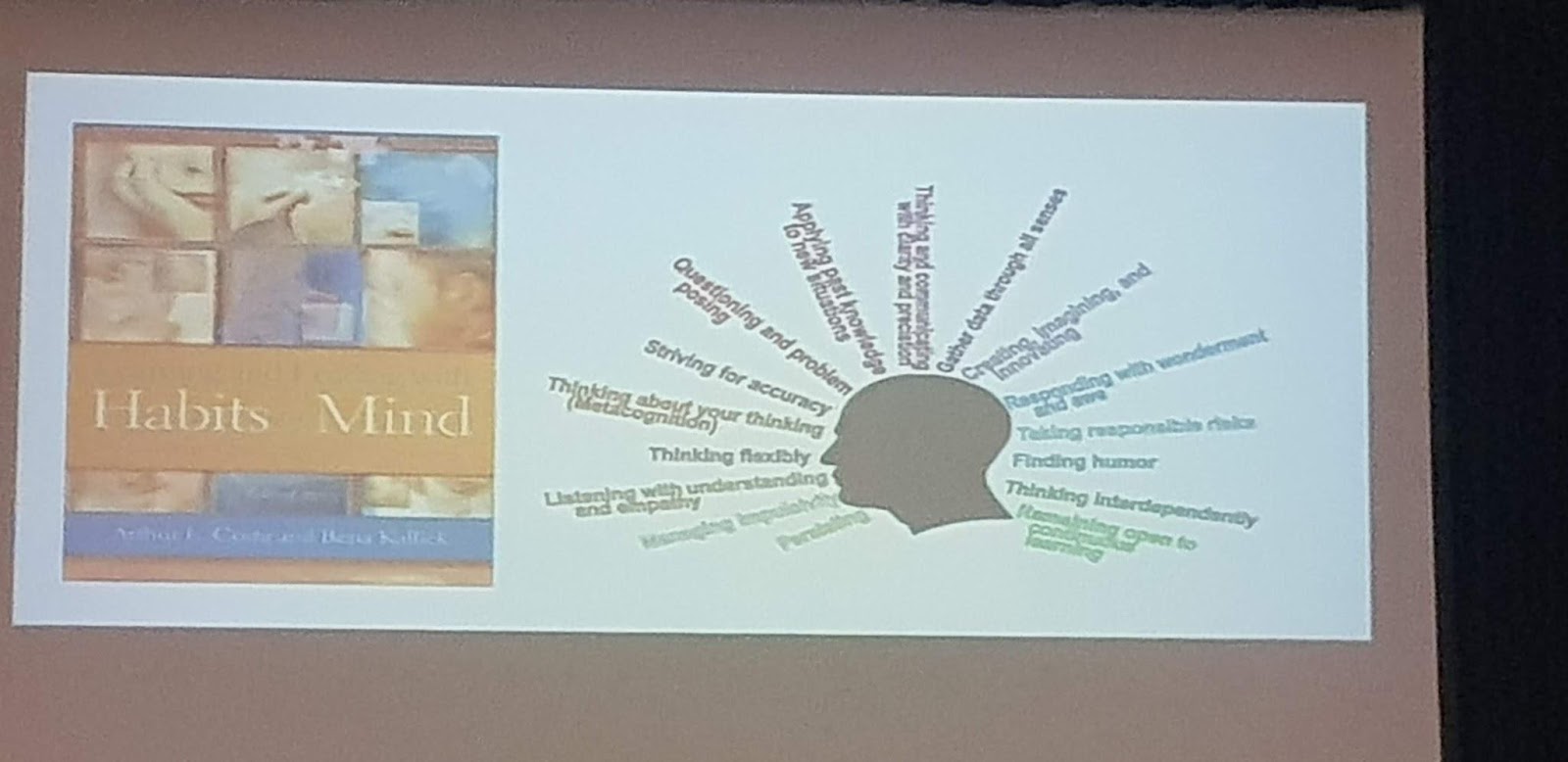
Really they come down to 8 of the 16 habits of mind. However all are relevant.


Many of us would say we are the mentor that brings out the hero, but in reality often the school is actually the test.

Letting our students know what they are capable is essential and a good way to do this is through their stories.

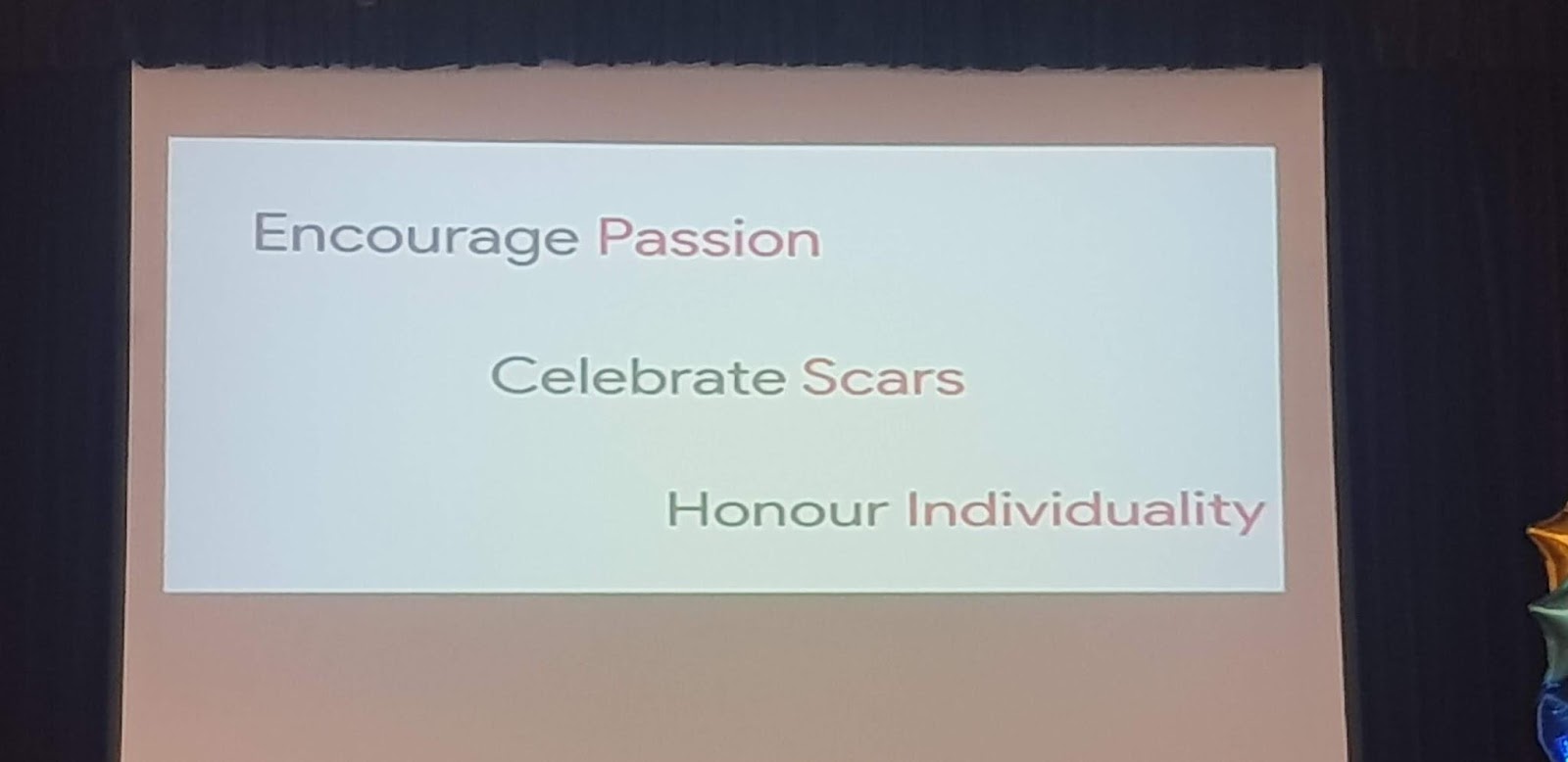
Things we need to do to do this (3 things - bold)
Encourage passion
Technology isn’t the key, it was those people that sat with her and helped her to go over her ideas and posts and supported her to make that connection.
As teachers we need to Develop the passion and guide.- This could happen for all our students if they have the right connections with us. As teachers we need to help our students be connected to their passion and we ourselves need to also be connected to their passions.

If a student feels that school offers our them nothing that’s a big problem
Ideas like 20% time projects - Genius hour - helps to develop students passion - where they can work on something that is completely different to their main focus. And is a huge concept that companies like GOOGLE use to encourage innovation and excellence.

We want what is best for our students but to make this happen we need to make sure we include them in this process - e.g. let the children lead.

Students need to feel like it is THEIR school - that they can take ownership of it.

With great power come great responsibility

When we give the power back to the students they are in control and they take responsibility.
To do this we need to provide support and let them know that they can do it.  - have the mentality... 

(As Lesley puts it in later workshops - having a growth mindset)

SO... Take off the restrictions, we will support you.

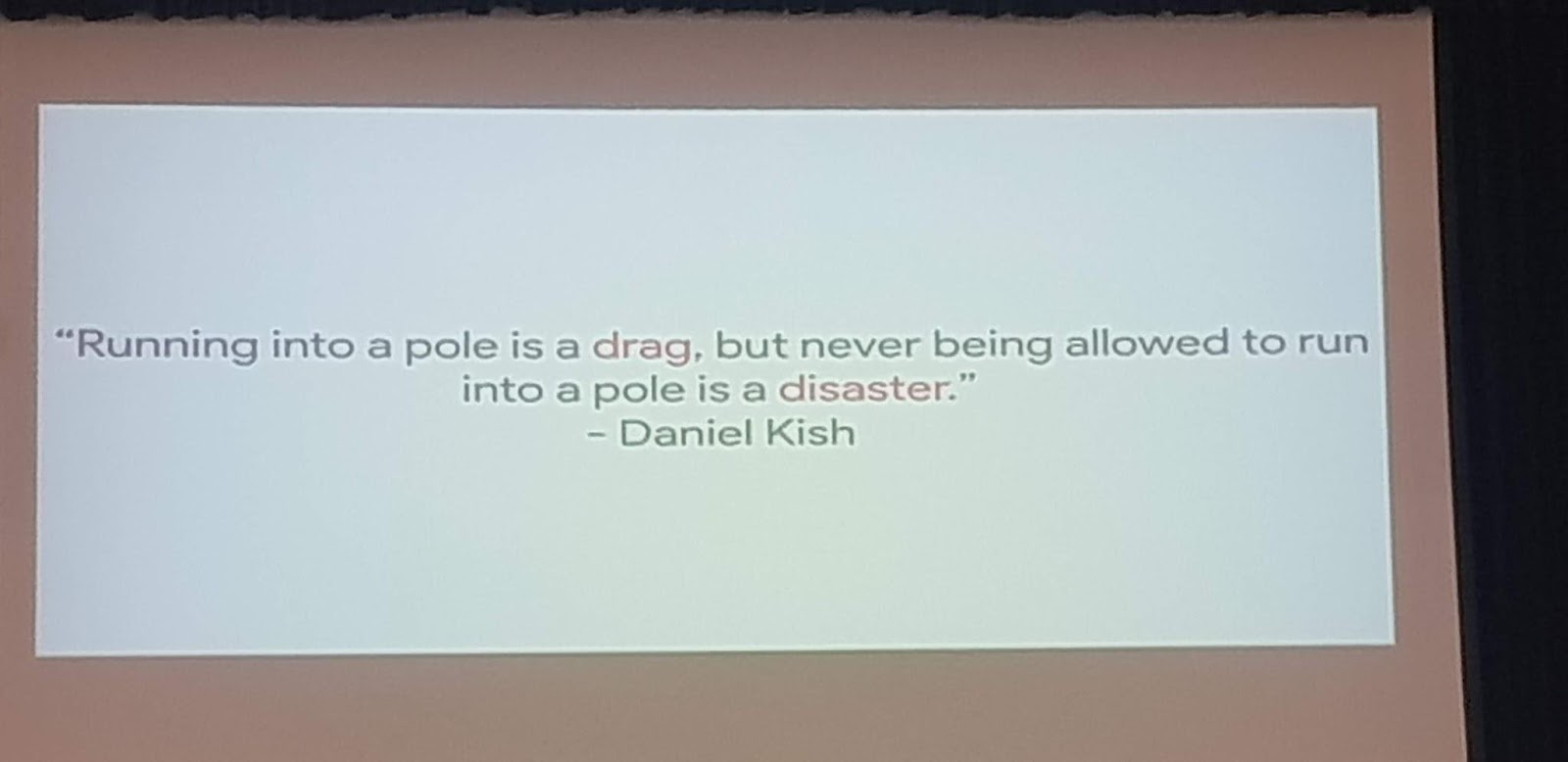
Celebrate their scars - blind man riding his bike (Daniels Kish story) - using sound to help him see. - Eco locate

WE put restrictions on children because of their issues/faults … and we need to do the opposite - remove the restrictions. - how do we break that pattern - lift the them up and celebrate the challenges that they have and the scars.

There can be joy in failure - when you think of the things that you are most proud of … its not the things we can do quickly but those that we have to keep persevering with.

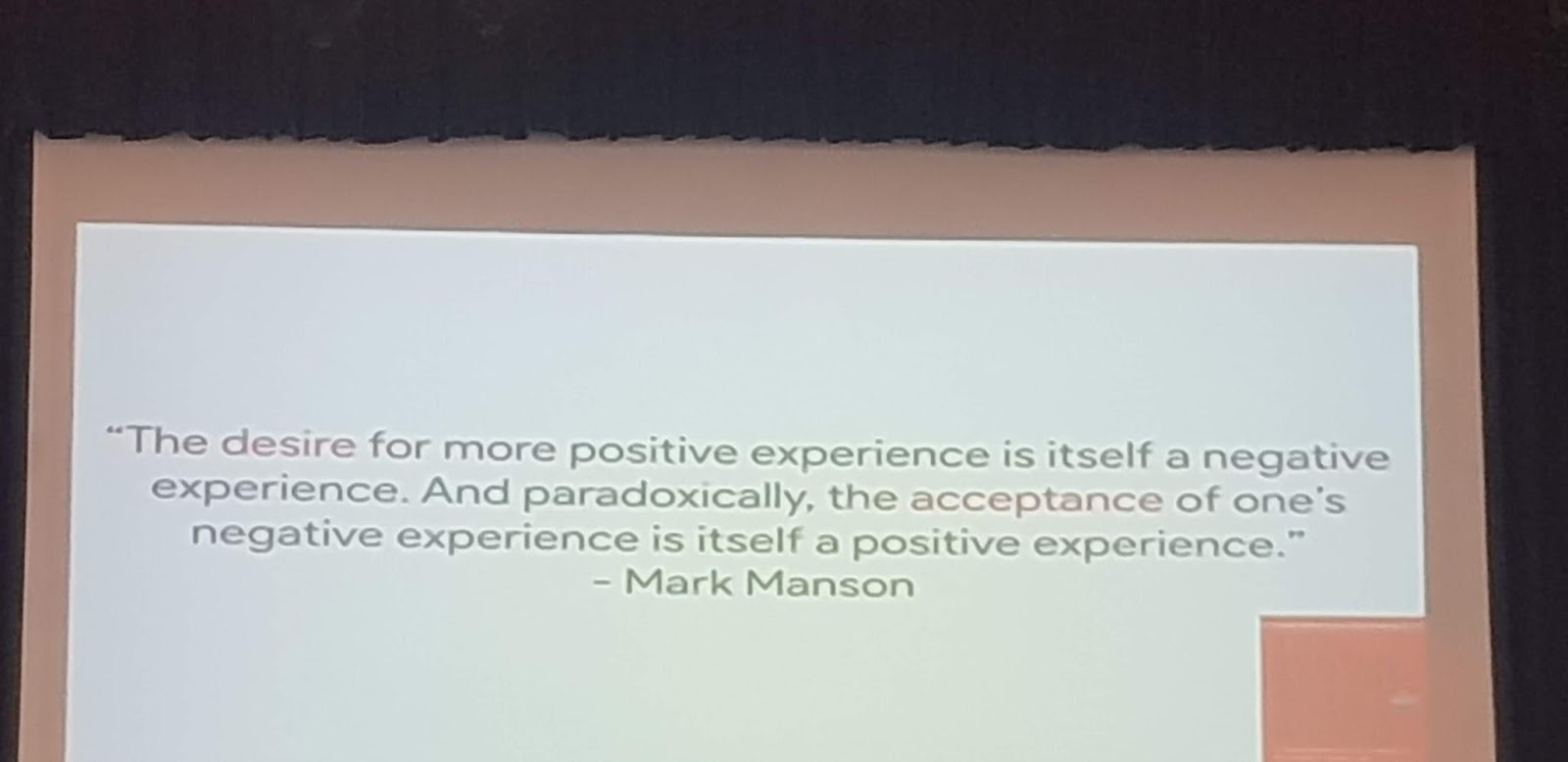
Negative experiences need to become positive - The fact we are moving through the negative is the positive - (getting the scars).

Honour individuality

All our students have challenges - Superhero prosthesis - Project unicorn!
Orange street news - Hildie writing about a local murder - both parents are Journalists and this was her normal.

Our job is to get to know ALL of our students. - get to the heart of knowing what makes them tick.

WE are ultimately the mentors - to guide and help them navigate the challenges along the way.
Image result for incredibles quote
- couldn’t disagree more.


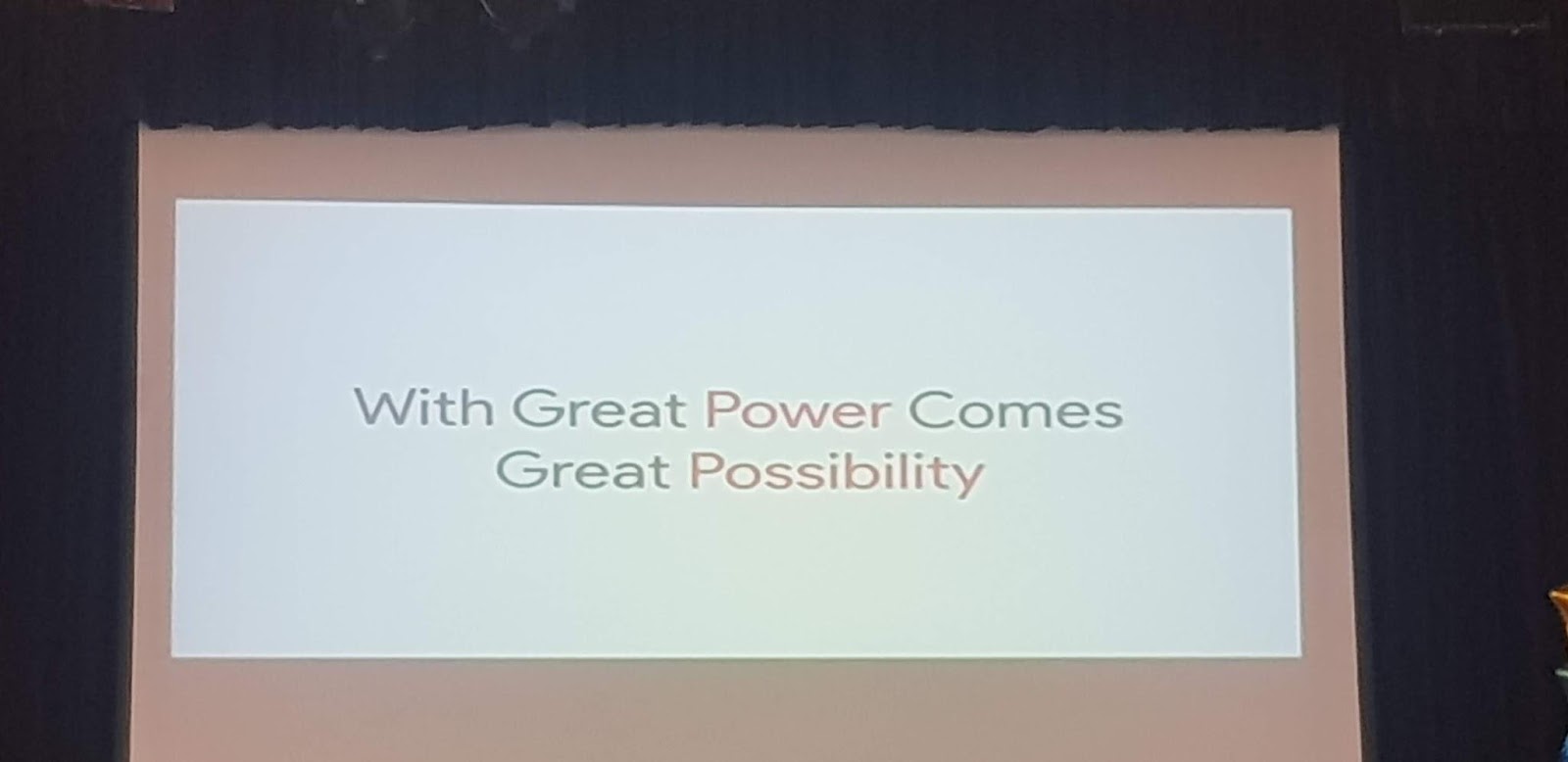
With great power comes great possibility.
How will I unleash my students inner superhero.


Friday, 27 April 2018

Design thinking Cont

Image result for great change starts with 1 idea quotes

Design Thinking 101

Leslie McBeth explains design thinking in 5 steps as well but uses different terminology.


Discovery

Becoming human centred.  Learning as much as possible about the problem as well as the context (or from the perspective of the 'user'.


Interpretation

Collaborating with others (including experts from different disciplines to come up with a "how might we?"  question.  (the word Might is used instead of can, should and could we as it infers that there is more than one answer, and that no answer is right or wrong in this stage.


Ideation

At this stage it is important to keep an open mind as the main focus at this stage is to come up with multiple solutions (where there is no right or wrong answer).  It is also important to keep the user in mind as well as focusing on their needs.  Crazy, out there ideas are also encouraged at this stage, as this might encourage other ideas.


Experimentation

This is were you experiment with some of the many solutions you came up with in Ideation.  Mkae prototypes or models and use them to gather feedback from their users.  Focus is not on creating the perfect finalized version but as a spring board to gather more and then build on ideas 


Evolution

This stage blends with the Experimentation phase as through the experimentation process solutions evolve and become more refined products.


This is a repeatable process as it is Cyclical and continuous.