Pages

Showing posts with label helping teachers teach. Show all posts

Sunday, 11 October 2020

Nortland Maths and Stats day 2020


Key Note Speaker - Subash Chander K

Site - https://sites.google.com/view/infinityplusone/

subash@ojc.school.nz


Relationships matter - There are no limits

Come, listen, trial, share, and be challenged by the feedback you get - this will move teaching practice.

Don't be afraid to share.  If we are trying something different in our classrooms we should be sharing it back into our communities.  "The important thing is this: To be able at any moment to sacrifice what you are for what you can become." Eric Thomas / Charles dickens.

In life, things nowadays are all online and can be accessed whenever, wherever... so why is education not following this same trend.  Currently we have online food, movies, music but often learning is still locked into this notion that physically being with learners is the only way for us to teach.  When we think about how technology can be harness this online element so that learning can also be whenever and wherever.  This is very much along the lines of our Manaiakalani Pedagogy.  

Subash also shared how he created a uTube channel that did exactly this, and how through this process not only did his teaching grow but also students were able to access it a key moments in time when it is of most use to them.  He also shared how this also helped grow others around him as they also began recording videos so that they could also help the students in their classes.


"You are the average of the 5 people you spend the most time with" - Jim Rohn


Workshop one - Tech tools for teaching


Flip Grid
 
- A quick video tool that shares videos in one place.  Great for collecting pre or post-unit understandings.


Tinkercad - A 3D construction tool where students can use this to create using different shapes.  It also looks at perspectives and puts into place the 3D element - Blockscad is another version that may be simpler for younger children.


Desmos - Cool graphing tool - can also be used for art creating.


Lots of other sites/tools were shared but most of these were aimed at secondary school students (so emailed these off to by sons so they can look over and see what they think.


Workshop Two - Mathematical Minds in Year One

This was fantastic - Really enjoyed sharing our Mathematical minds in year one presentation.  It was a shame that numbers at the conference were so low but it did enable lots of discussion and questioning as we ran our workshop.  As a result, we didn't get through all of our slides but due to the ongoing discussion and questioning, this was not a problem.  Diane Ogle is also planning to bring people up to visit us in class to see this in action so that should be fun too.  At the end, we also got a lovely thank you card and gift voucher.  Totally unexpected but much appreciated as well as the presentation had taken us lots of time to prepare.  The bonus however is that much of our teaching by inquiry for the year has been summarised within this presentation.


Workshop Three- Cuisenaire and Creativity


This was a great workshop and something that SJ and I had been looking forward to since we signed up.  We have heard all about Ali and her Cuisenaire workshops and it was a definite highlight for the day.

The workshop not only confirmed and affirmed our approach to introducing Cuisenaire rods in our classrooms but also gave us LOTS of ideas on how and what we could include next.  We are currently waiting for a few more Cuisenaire rods to arrive (as we were needing to restock our white, red, and pink (1, 2, and 4) blocks.  We also got very excited about the possibility of using these rods to coincide with our topic of local and national landmarks and how we could also use Cuisenaire rods to represent these places as well as using them to read maps (at a very junior level of course) and to integrate with the use of our Beebots.  Can't wait to get back to school to try some of this stuff out.

Cool phrase - "Park your thinking on the table".


SJ and I also got quite interested in the history of Cuisenaire rods and started doing a little digging - So much more we could learn.

Thursday, 30 August 2018

3 HUGE successes in 1 day!

After being off work with sick kids for a few days I returned to the classroom yesterday.

Image result for success 1

Success Story 1.  After morning Karakia (prayers) and morning notices we headed back to class straight back to class routines.  As we are a collaborative learning space we have 2 teachers (3 from 9 some mornings each week) one teacher takes the morning roll and discusses what will happen throughout the day (also time to share news), The other teacher (me) runs a very short sharp accelerated writing group session (10 mins).  Today after not having this morning writing routine the group of students who I work with were Very eager, Very excited and Very motivated to write!  in their own words "We love writing" and "We missed this writing".  And ALL the students achieved their writing goals during this writing time and were ready to share their examples with the rest of the class to help their peers succeed in their writing today.  4 of these students went on to exceed the writing goals and pushed themselves to write more than they were expected.

What makes this even more of a success story is that at the beginning of this term (only 6 weeks ago) these were our Year 1 writers who we had identified as targets because we didn't think they would be able to write at the level we would want them to be at, by the end of the year.  1 child has been diagnosed with Autism, ADHD, and began school a year later than his peers (still classified as a year 1), 1 child normally spends more time distracting those around him and himself.  All 7 children had previously struggled to either formulate or retain a simple sentence they wanted to write, and only 1 of the 7 children knew all of her alphabet letters and sounds prior to starting with this group.  This meant that sounding out words previously had been VERY hit and miss.

Image result for success 1

Success Story 2.  This relates to one of our Autism children.  We have had a teacher who has been doing her masters on Austium, observing and doing a case study on this child as part of her masters.  Today her message was quite clear... "I can't help you or suggest anything more than what you are already doing as a team for this child.  He is highly supported and has improved immensely from when he started at Ohaeawai Primary".

This type of feedback affirms and validates all the extra effort and time we have spent in integrating this child into our classroom, and provides reassurance that while we will still have battles ahead, as long as we all keep our mind on the prize we will get there together.  It also helps us as educators to actually sit back and actually go ... Yes, big changes have happened.

Image result for success 1

Success Story 3.  Recently I posted a blog post to our Kaikohekohe Google+ Community and also shared it on twitter, although I received some feedback from this sharing, following the toolkit a teacher brought up this recent sharing and discussed reading through our blog.  She had been able to find writing exemplars and resources that we had made in class and that we had posted onto our class blog so our students could share and help each other.  This Teacher then went on to ask if I thought it would be OK if she used this to help her class learn about this topic.  My response of course was ...

"OF COURSE - THAT'S WHAT HAVING A BLOG IS ALL ABOUT!"


The first and third success stories relate directly to my MIT inquiry and the tool I am creating help myself and other teachers within the Kaikohekohe Cluster to accelerating our children's writing.


Watch this blog for updates over the next mouth or so for on my tools prototype as I will post it here and ask my readers for feedback/ideas/feed forward on how to make it more useful.  EXCITING!!!

GarageBand workshop

Last night was our our Kaikohekohe Clusters Term 3 Tool-kits.  This continues to be a great opportunity to connect with other professionals from within our cluster and across a wide range of year levels and experiences.  Last nights tool-kits included;

Although there weren't a huge amount of tool-kits the tool-kits on offer reflected our clusters current needs and also offered opportunities for professional growth for everyone.  Kaikohekohe Cluster ROCKS!  

On Friday afternoon I got the call from the amazing Raewyn, asking me to run a tool-kit on GarageBand.  So in between having 3 sick kids, doing GST returns, and trying to catch up on MIT bits I also created a presentation to use for this Garage band workshop.

Below is a link to an 'answergarden' brainstorm that anyone who is reading this blog can add their ideas to (for the next week).  It asks the question "How could we use GarageBand in our classroom?"


At the end we had a bit of fun together recording us having a conversation about who we were, what we were doing and why we were in the GarageBand workshop.  Will upload this over the next few days.  

Thanks to all the attendee's
Please make sure you share them to me - I would love to hear your personal & classroom creations!

Tuesday, 21 August 2018

KPMG - Day 3

Today was our third KPMG day in Auckland.  No agenda was shared with us so we were all a little excited (and nervous) as to what was in store for us.


When we arrived we were greeted with the fresh smell of coffee (and tea) and we set ourselves up for the challenges we knew were ahead of us.  


Today’s session had been devoted to listening to each MIT participant shared the progress you have made within their inquiry and also with the tool that each were making.  Following this we were asked if we would like to cross blog our feedback - Of course we said YES what a great idea.


So we then used a random name selector to determine whose tool/inquiry we would comment on.  I was very lucky to draw Danni and interestingly she got me as well.


Danni’s inquiry started off focusing on literacy learning in years 7 & 8 and how that school and cluster data was showing that the rate of learning in many senses was stalling or dropping.  Her inquiring focused totally on what she could do to prevent this in her classroom.


Today Danni started out by sharing her site - a resource bank of texts she has created and used in her classroom.  This was broken into different pages relating to Text Analysis exemplars, Writing Techniques and Connecting Reading and Writing.


This provided us with rich examples and questions based around different genre/examples.  This looked like a fantastic tool at a glance. When we delved deeper it appeared to be even more of a rich tool.  


One of the challenges that Danni had been having is finding/accessing examples of text that will support this resource, some suggestions were made as to who could help including
Aaron Wilson


During the morning we had discussed her inquiry informally and part of this discussion highlighted how many of her shifts in student achievement was related to her high expectations of her children both in what they will achieve and also in the contexts in which she teaches these through.   We talked with Danni about adding a page on high expectation.


As discussion wound up we also discussed possibility adding in how you might use these resources Multimodally (showing links to resources and sites that she and others used..  An interesting point was also raised about ESOL strategies being something to consider within her resource.

Reflections on my own inquiry were huge.  I will cross share Danni’s reflection here and then add to it my own thoughts.


Thoughts going away from KPMG today…

Learning together is empowering - and connecting with those outside of our normal realm of teaching extends our thinking.   As Zac put it “team work is dream work”.

Friday, 17 August 2018

Maths Week Preperation

This term I have been given a unit to take on Maths as a curriculum leader while our DP is on Sabbatical.  When discussing as a school if doing mixed ability groupings would work as a maths week approach (similar to what we do for Matariki days and a few other days we have throughout the year) and it was agreed that we would do this.  The trick with doing this however was how to cater  for the mixed ability groups that we would have in our rooms.  BUT ... I HAD A PLAN!!!

So rather that just do the normal thing for maths I had an idea that this might be a great opportunity to trial some of the ideas that I have heard other schools using.    So like with everything in teaching you need to do a little research and a little investigation as to what approaches and ideas to utilise.  So onto the web I went.

Here are some helpful links I found


That same week an article was also presented about "stunning results from cultural responsive maths".   Talk about perfect timing.  So I shared this with the rest of our staff.

This research highlighted the sorts of problems that needed to be asked and how they needed to have scope to support and extend students within the problem.  It also highlighted the need to use authentic context to engage and provide a challenge.

As I continued to look into this I formulated a planning template and added this to my ideas presentation to take to the staff.  From here we came up with contexts to investigate but as staff meeting was full that week I took these ideas home and worked on them until I had the makings of some good questions.  At staff meeting the next week we reviewed them and added a few extra details that I didn't have that would make the context/problem all the more authentic (e.g. how much Team Moana still needed to raise for their ski trip).

The next step was to make these problems user friendly - so to google sites I went (was my first real play on the new google sites - as I'm an Old Sites kinda gal).  Below are links to the sites I ended up creating.


Wednesday, 11 July 2018

Engaging Students in Writing

Session 8 - Jacobs session - engaging students in writing


Jacobs session was really interesting.  I went along to support him in his presentation but found that he had lots of innovated cool ideas and tools linked to his presentation and planning.  However many attendees were more focused on creating a site rather than thinking about the content that was embeded in it.  Made some great connections with other teachers and one in particular who taught in a year 2 classroom in Sydney.  Hoping that we can connect our kids up when we go back to school.

She loved looking at our Team Maunga site as it was a bit more Junior focused rather than intermediate focused.

4 Tips for creating websites

3 clicks max
Use white space
Less is more
Be consistent

As with all site creation ... you must PLAN IT FIRST. Plan what you want it to look like, what pages you want and what you want on each page (keeping in mind the 4 tips mentioned above). This will help keep your site simple to navigate and user friendly.


Other things to pear in mind...

1080 standard size of header/page

Tuesday, 10 July 2018

Blogging - Sharing a Learning Journey

Image result for google

Session 4 - Blogging - Sharing a Learning Journey

I was attending this workshop in support of my amazing Colleague Jackie who supported me in my workshop as we were both Presenting on blogging as an educational tool.  Again this workshop was not well attended.

However Ideas to take away.
Her workshop was very academically research based and heavily elaborated on Woolfisher research (My presentation had a few slides on but hadn’t elaborated on.  It was nice to be reminded of what the data shows and also to see what the data from Jackie's class showed as well.


I loved how the research into personal voice shown in my presentation connected teachers, students and their parents to the ideals of blogging, and this engaged conversations around blogging, perhaps the slides I had for the academic research needed to be highlighted as well.  The challenge I see with this is ensuring there is time to cover the key elements that need to be covered within the presentation, however it could be in my background slides, like the page and link to the Woolfisher research that I had, just a little bit more use friendly as it contributes to the bigger picture of why we within the Kaikohekohe Cluster should be blogging, and should perhaps blog more than we do already.

Time to earn my EdTechTeam Presenters Badge

Session 2 - Mine


Presenting for the first time at a EdTech summit or any summit for that matter.  The workshop I ran was not large. I had a total of 5 attendees’ each attendee was diverse and unique from the rest.  One was a principal from a large high school with 150 staff who was very interested in blogging from a professional portfolio point of view.  Another was a lady that works as an Educational Liaison person within an Inner Sydney Hospital, where she works with children who have long stays in hospital due to the nature of their treatment.  Another was a teaching principal from a rural area outside of Sydney who had 12 students within her school.

Although there was not a large number of attendees having the opportunity to share the stories of Ohaeawai Schools students and parents within blogging was inspiring.  As the number was so small instead of presenting as I had first anticipated/planned it became more of a discussion around the slides that I was presenting. It allowed for us to cater and tell the story but also link into how blogging could work specifically for the participants of this workshop.

The workshop ended up focusing on the fundamentals of why we blog and having examples of professional, parental, and student voice was fantastic in helping those who attended, to connect with the ideas we were talking about.  Although the plan was to begin with discussions into why we blog and then to use additional resources within my presentation to help create a blog or a blog post these were things we didn’t actually get there due to the in-depth discussions that were having.

Key points to take away from this experience

  • Connection in education is 1 of the keys to unlocking the potential of everything in education - I always knew this was the case with students and with mentor teachers, but hadn’t forced myself to do this kind of connection with educators I had never met  before.
  • Sharing not only makes us stronger as educators, but it also helps promote growth an educational community both for ourselves and for other educators.
  • The thought of sharing is actually harder than the reality of sharing.
  • People attending EdTech Summits like being able to take resources away that they create.
  • Although I view my own teaching practice as normal and nothing great, the practices that I use on an everyday basis is still unimaginable to may educators - Although I can see many areas I want to improve on (typical of all teachers I know)  I need to be more prepared to share my story - in education, with education and for education. Also even though I have area’s I know I want to improve on and inquire into, many of the things I already do are inspiring to others and for this reason I need to be more prepared to put my hand up and share my ideas.


Image result for Thankyou

A HUGE THANKYOU goes to the MIT team, especially KPMG, Pat Snedden, Jenny Oxley who are the people who worked behind the scenes to make this happen. Pat I would love to meet you in person and be able to express my gratitude for helping me grow professionally within this inquiry, and Jenny, it is always a pleasure to catch up with you when we all meet together at KPMG.

THANK YOU THANK YOU THANK YOU!

Also a bit thank you to the MIT team. It is great working with such a dedicated and inspiring group of people who are also kind and friendly and make all feel welcome. Dorothy and Anne it is always a pleasure to be challenged by you both.


Sydney Opening Keynote Speaker

Capes not required


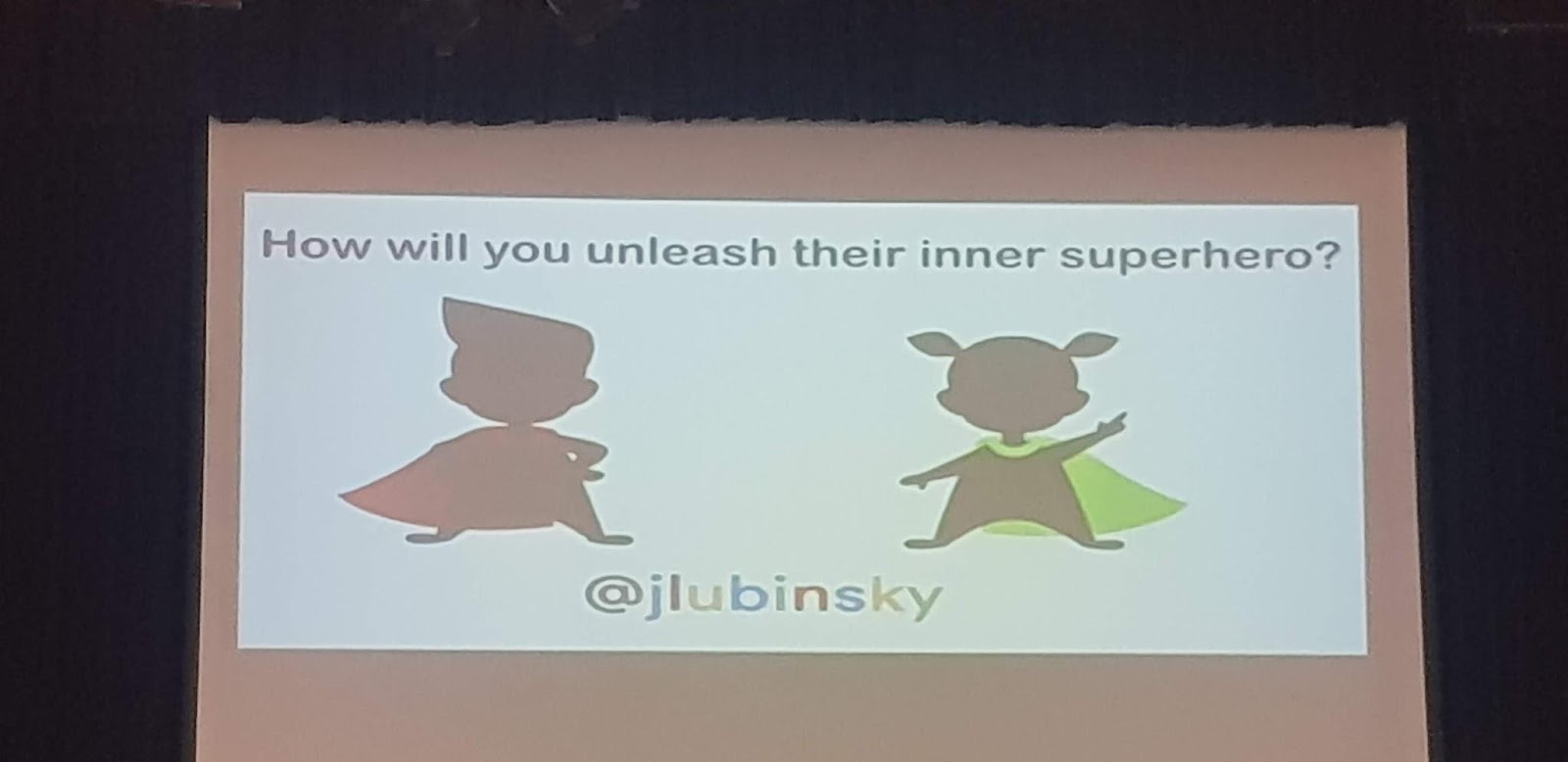
The kids in our classrooms are superheros in disguise.
Flight or invisibility - which one would you choose?
Our role is to bring out the superhero in our students. 


What are the characteristics?

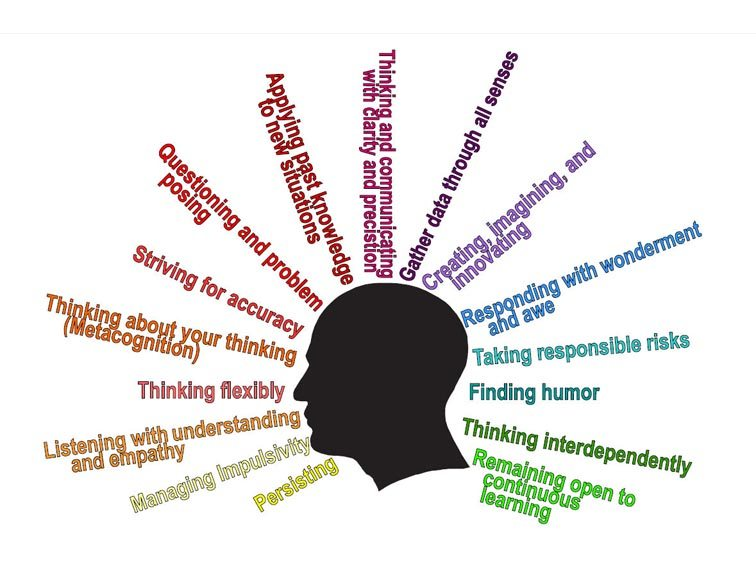
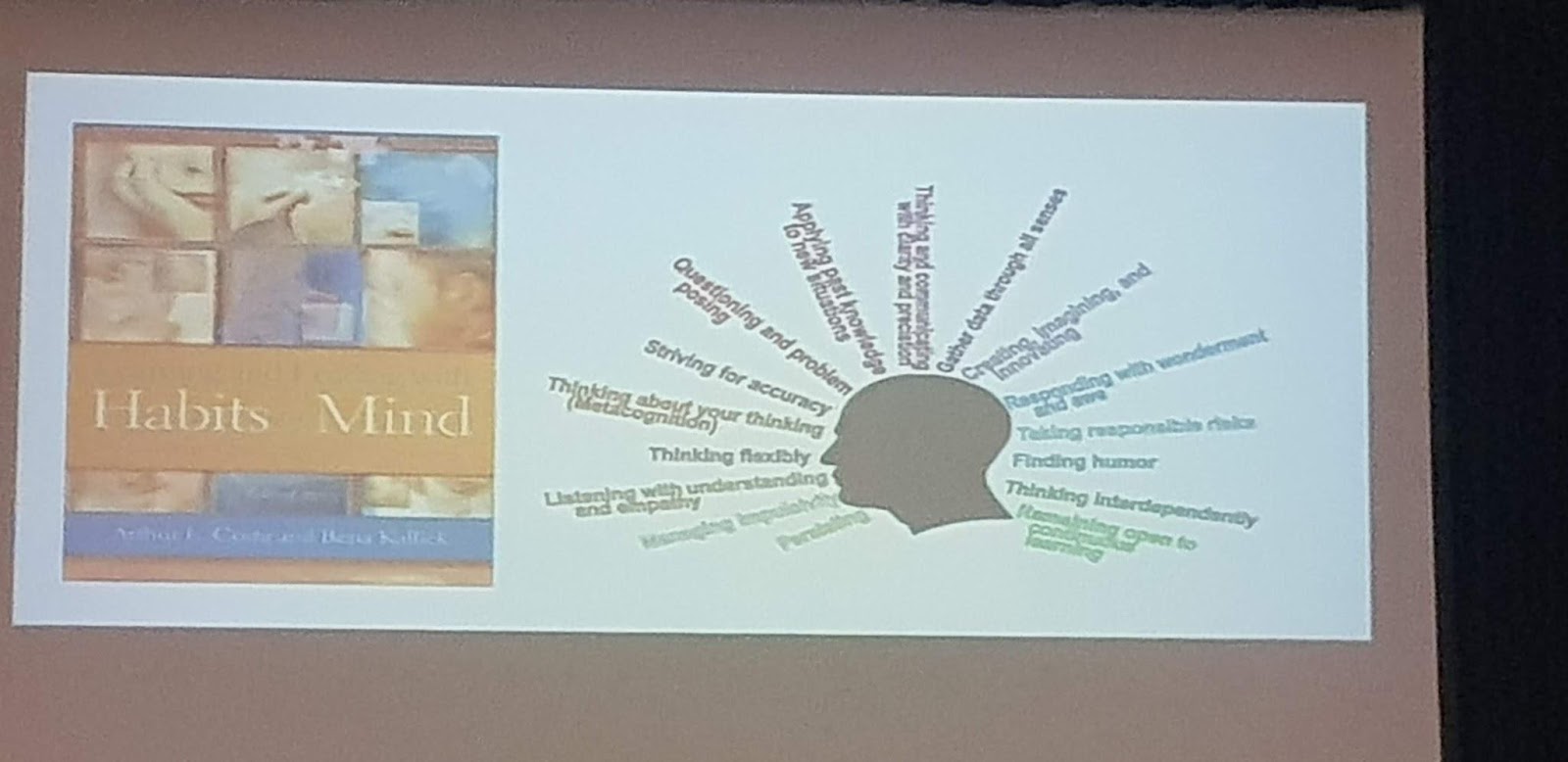
Really they come down to 8 of the 16 habits of mind. However all are relevant.


Many of us would say we are the mentor that brings out the hero, but in reality often the school is actually the test.

Letting our students know what they are capable is essential and a good way to do this is through their stories.

Things we need to do to do this (3 things - bold)
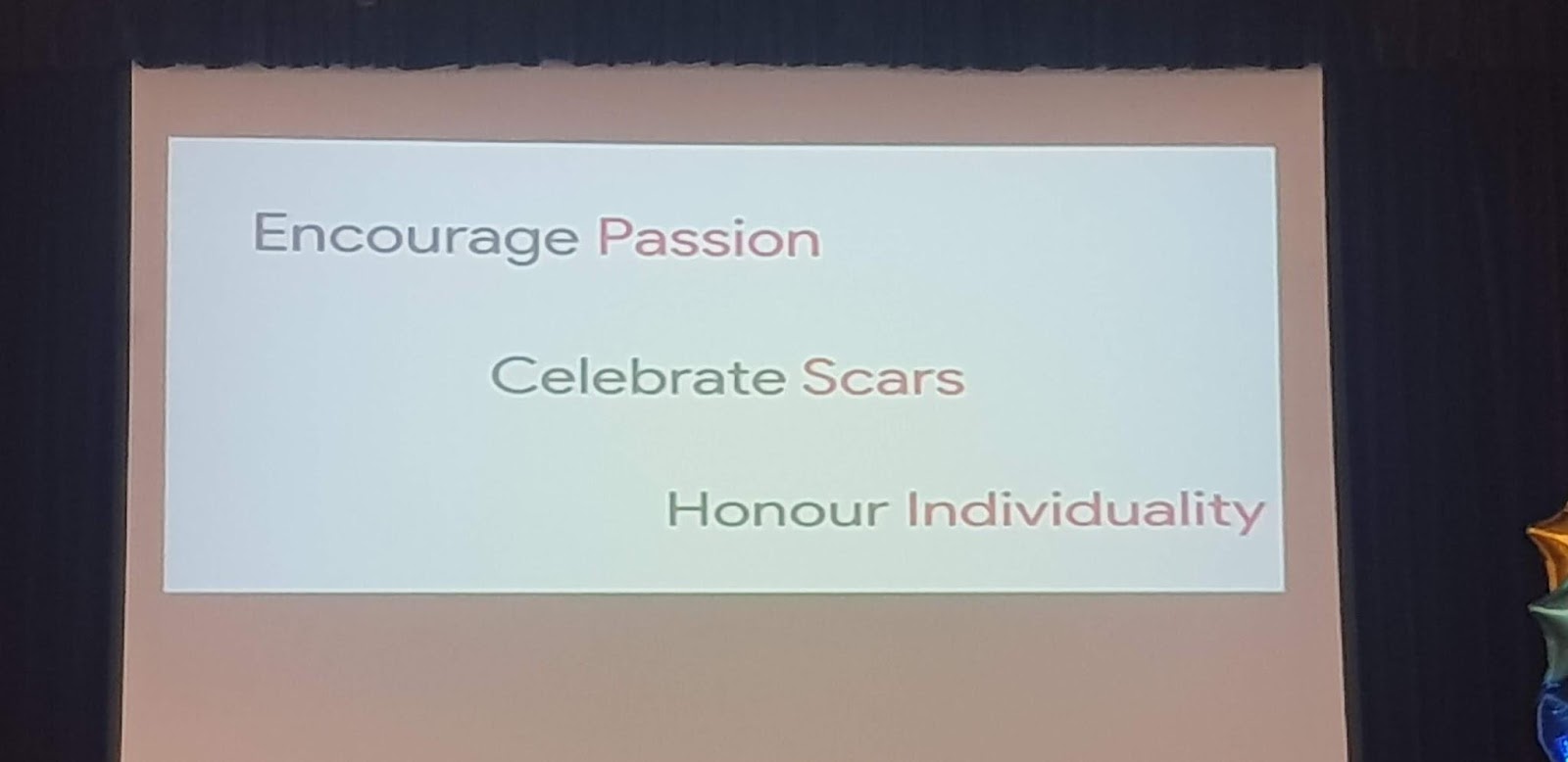
Encourage passion
Technology isn’t the key, it was those people that sat with her and helped her to go over her ideas and posts and supported her to make that connection.
As teachers we need to Develop the passion and guide.- This could happen for all our students if they have the right connections with us. As teachers we need to help our students be connected to their passion and we ourselves need to also be connected to their passions.

If a student feels that school offers our them nothing that’s a big problem
Ideas like 20% time projects - Genius hour - helps to develop students passion - where they can work on something that is completely different to their main focus. And is a huge concept that companies like GOOGLE use to encourage innovation and excellence.

We want what is best for our students but to make this happen we need to make sure we include them in this process - e.g. let the children lead.

Students need to feel like it is THEIR school - that they can take ownership of it.

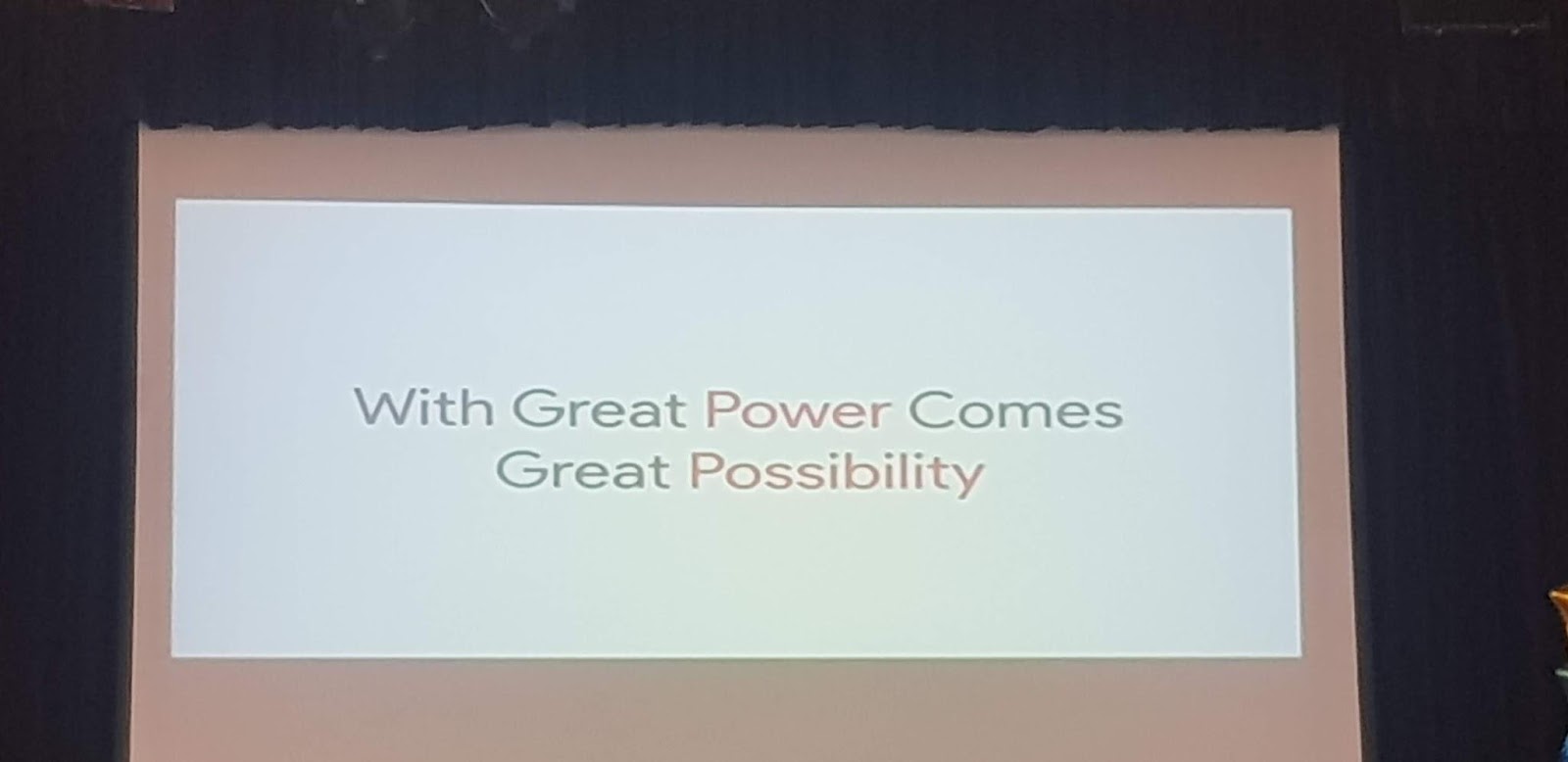
With great power come great responsibility

When we give the power back to the students they are in control and they take responsibility.
To do this we need to provide support and let them know that they can do it.  - have the mentality... 

(As Lesley puts it in later workshops - having a growth mindset)

SO... Take off the restrictions, we will support you.

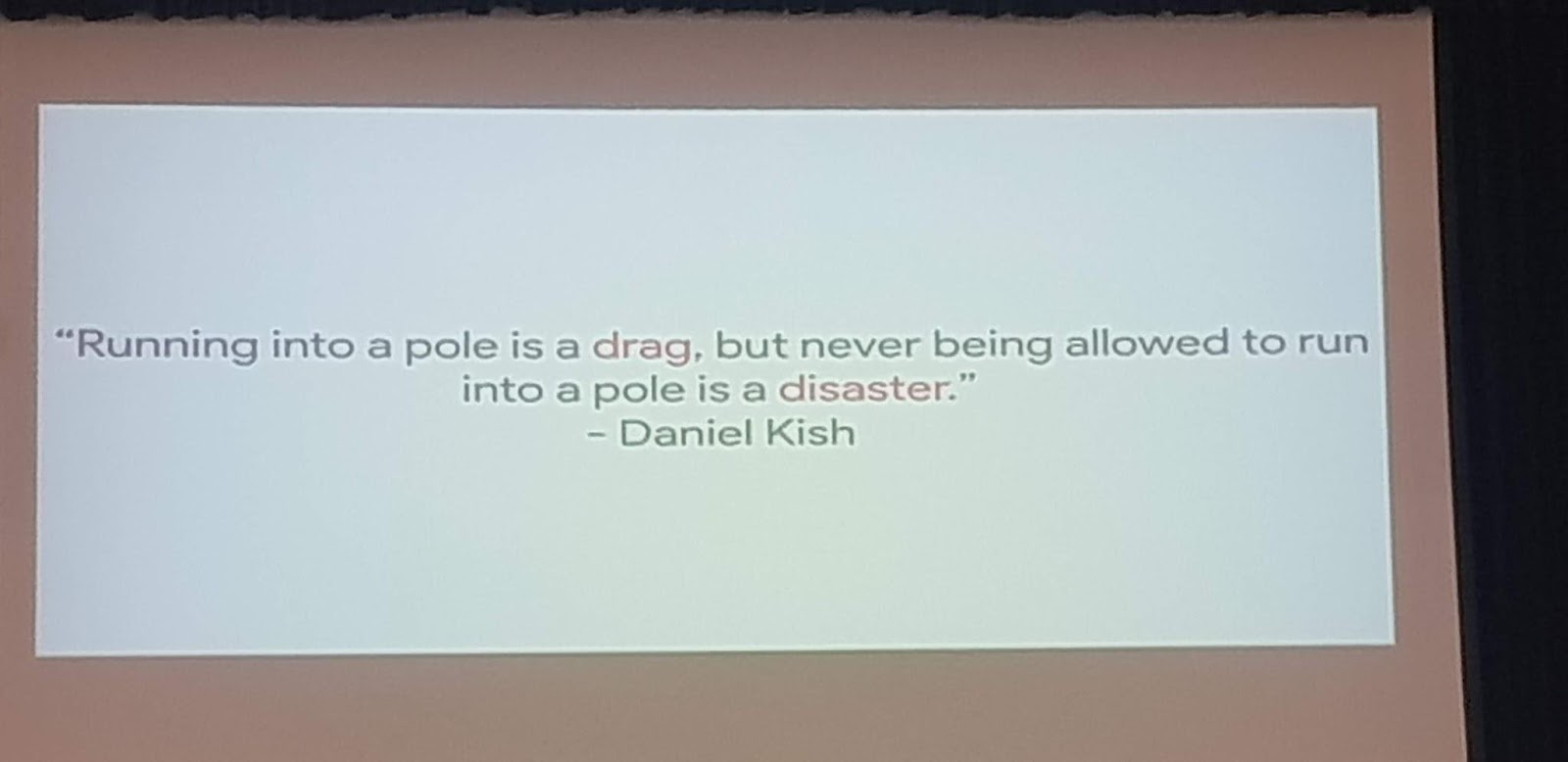
Celebrate their scars - blind man riding his bike (Daniels Kish story) - using sound to help him see. - Eco locate

WE put restrictions on children because of their issues/faults … and we need to do the opposite - remove the restrictions. - how do we break that pattern - lift the them up and celebrate the challenges that they have and the scars.

There can be joy in failure - when you think of the things that you are most proud of … its not the things we can do quickly but those that we have to keep persevering with.

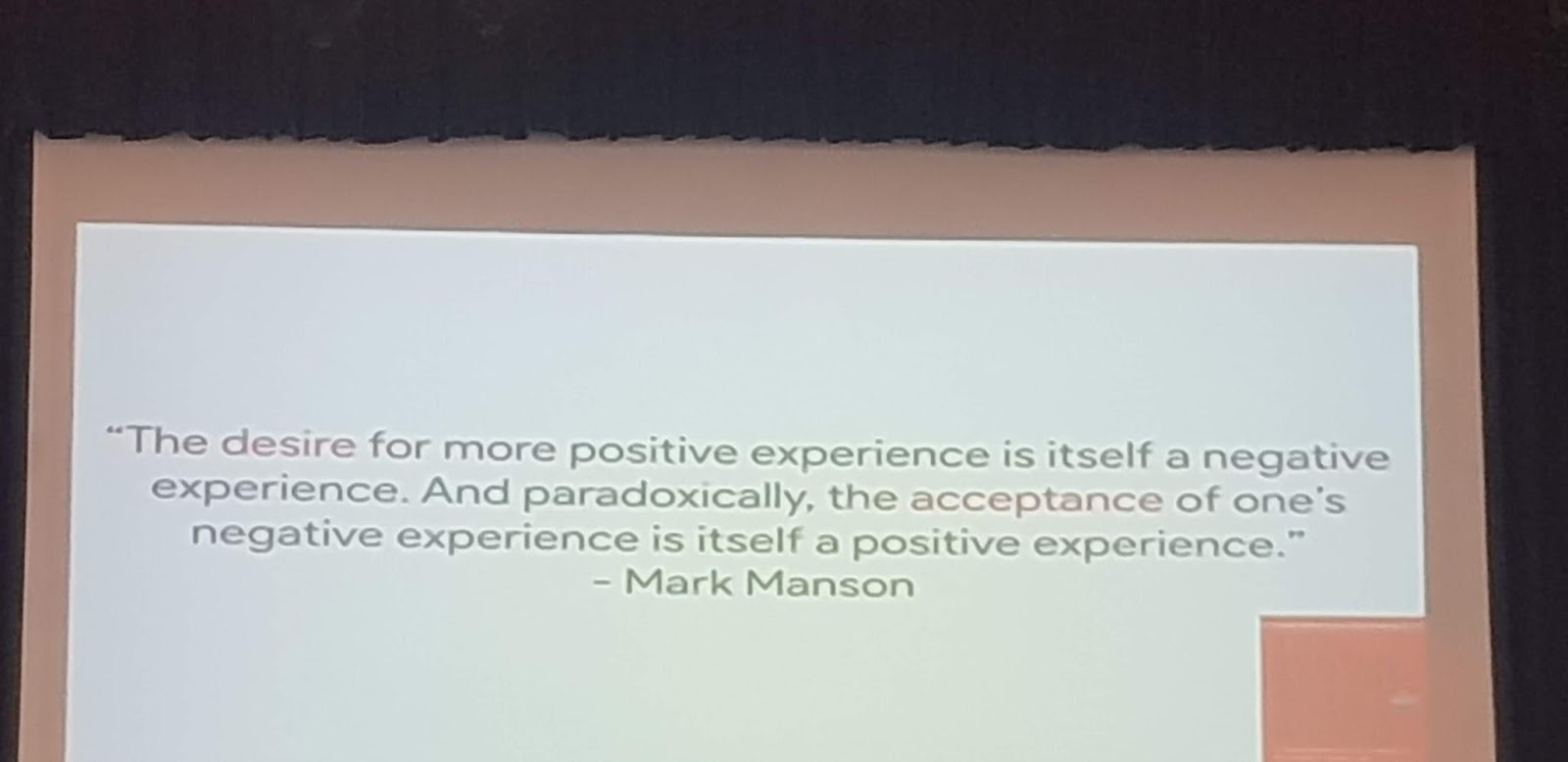
Negative experiences need to become positive - The fact we are moving through the negative is the positive - (getting the scars).

Honour individuality

All our students have challenges - Superhero prosthesis - Project unicorn!
Orange street news - Hildie writing about a local murder - both parents are Journalists and this was her normal.

Our job is to get to know ALL of our students. - get to the heart of knowing what makes them tick.

WE are ultimately the mentors - to guide and help them navigate the challenges along the way.
Image result for incredibles quote
- couldn’t disagree more.


With great power comes great possibility.
How will I unleash my students inner superhero.


Thursday, 26 April 2018

Focusing on the WHY! - DESIGN THINKING

Here is a quick video I have found that very quickly explains Design Thinking in Education.  It briefly explains inquiry through 'Design Thinking' and one of the points that Tom Barrett makes is the importance of keeping the inquiry process in the questioning stage.  This links to the WHY of this posts Title, as this process makes you question the problem more, which in turn helps you to develop a better understanding of the problem and the implications that both the problem and solution has.


This year as part of the MIT process we have been working on the 5 Why's.  Here is a link to a reading we have done on the origins of this process.

Below is a brief video that explains the 5 why's if you are short of time.  Although this is a business focused example it does illustrate the process and benefits of using this process.

One thing I can quite honestly tell you is that although it is very challenging answering some of the Why questions that get thrown as you in this process it definitely challenges your thinking and makes you look into the problem deeply and helps you to narrow down what the problem actually is, and who it affects.  

Another thing I can quite honestly tell you is asking these 5 Why's can also be just as challenging.

Sunday, 22 April 2018

Whangarei EDTech 2018 Summit

As a School group we attended this event last week.  I have to say one thing about these events is that you ALWAYS come away feeling inspired.  Inspired not only by what is said but by the sharing of resources and ideas from others as well as through the connections that you make with each other.

So as a result there are some things I have taken away to hold onto (you can't do everything!!!).  So this years take away ideas are... (and why)


Idea to hold onto No1:  GROWTH MINDSET.

While in our class we have already been focusing on changing mindsets from "I can't do something" to ... "I can try".

Change to implement (or add).  :  Instead of  "I can't do ...", to "I can't do ...YET".


Idea to hold onto No2:  BREAKOUT edu

In our class/school/cluster we already know and use Breakout EDU's and we have already been experimenting with ideas on how to make these more digital.

Change to impelement  :  Use Sites/Google Forms to help make Digital elements to BREAKOUT EDU's. - So watch this space.


Idea to hold onto No3:  Sharing

This is probably the biggest and hardest one for me.  Often we do things in our class, school and even cluster that are worthy of sharing. - and within this context I do share.  Often I am presenting at toolkits, PLG's ... but I am always reluctant to share outside of this circle.  SO ...

Change to implement : Make sure I am keeping this blog up to date, Share at Edtech Sydney, Submit at least 1 Breakout I create with the Breakout EDU site before the end of the year, and share 1 thing to Twitter at least every month.


Idea to hold onto No4: - DESIGN THINKING

I kept the best for last!  Michael Davidson ran us through a Design thinking presentation.  This was like CONNECTING THE DOTs for me.  This is the approach we are using with MIT this year, but at a classroom, student level.  It will build on what we have already been implementing but it should take our kids to the next level.


LOVING OUR LEARNING CONTEXT THIS YEAR! 

LEARN FROM YESTERDAY, CHANGE TOMORROW.
Ki akoranga i mua, kia whakahuri apopo